Located in the Noosa Hinterland on the Sunshine Coast QLD, Yelin Forest Farm is a small-scale regenerative farm. The multi-generational family property spans 28 acres, most of it untouched bushland, exactly how WWOOF hosts, Jules and Loucky, plan to keep it.
Rather than clearing large areas, they focus on cultivating a small portion of the land, about an acre and a half, dedicated to a market garden and perennial food forest. The project began four years ago when Jules and Loucky returned to the family property in Australia from the Netherlands. They developed a detailed permaculture design for the farm, with the aim to integrate as many natural energy cycles as possible, working with sunlight, water flows, organic matter, and biodiversity into their practices.
The seasonal market garden is managed using regenerative practices that prioritise soil health and local ecosystems. Methods such as compost made from a manure-harvesting chicken system, no-till garden beds and seasonal cover crops that build organic matter, store carbon, and help replenish nutrients. At the core of their farming approach is a passion to provide fresh, nourishing foods to their local community.
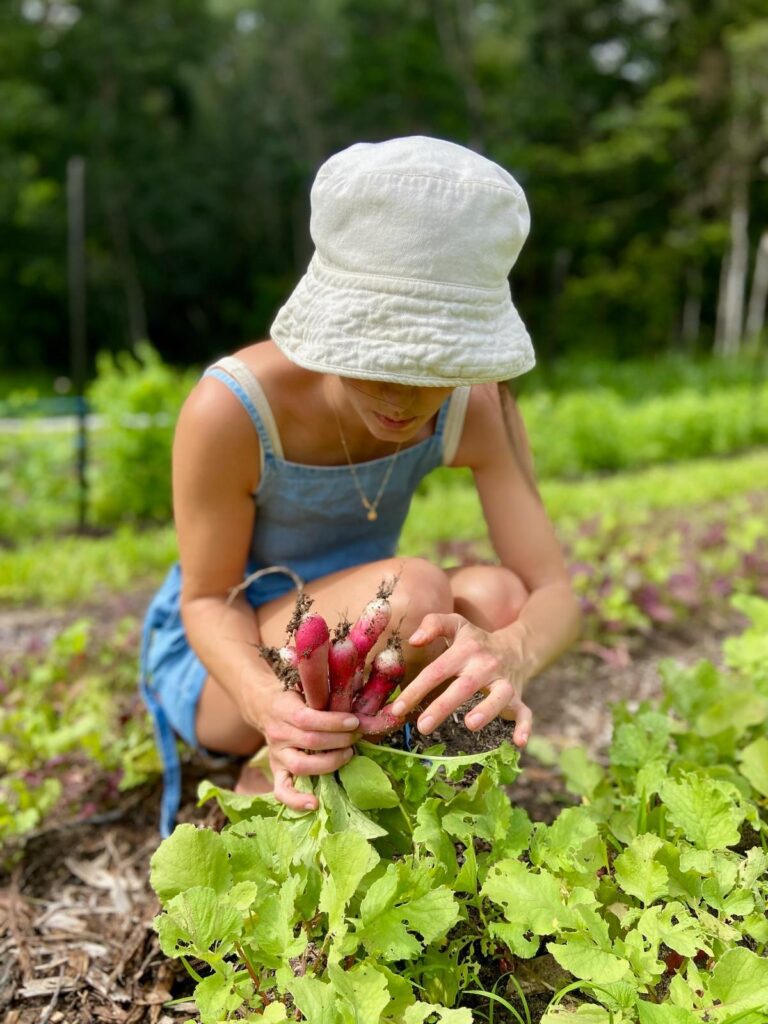
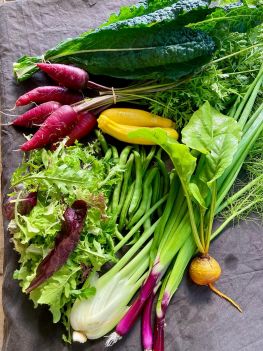
During the winter growing season, the garden produces around 20 to 25 different crops such as broccoli, cabbage, carrots, fennel, kale, kohlrabi, beetroot, radishes, salad greens, onions, and turnips. Harvest days fall on Fridays, when vegetables are picked and prepared for weekend markets on the Sunshine Coast, with volunteers sharing a meal and being able to take home a selection of produce.
WWOOFers can help with a variety of tasks around the farm, from planting seedlings and harvesting vegetables to more practical jobs like whipper snipping fencelines or pruning fruit trees. While they welcome WWOOFers all year round, winter is a busy time at the farm, and they are excited to have extra helpers who are open to learning and getting involved in all the foundational processes in the market garden.
Jules and Loucky have created a unique, cosy accommodation space on the property for WWOOFers, friends and family, a handcrafted Mongolian style yurt with incredible views. Built on the highest point of the property, this traditionally painted and constructed yurt offers a peaceful retreat and while it takes a bit of effort to reach, it is well worth it!
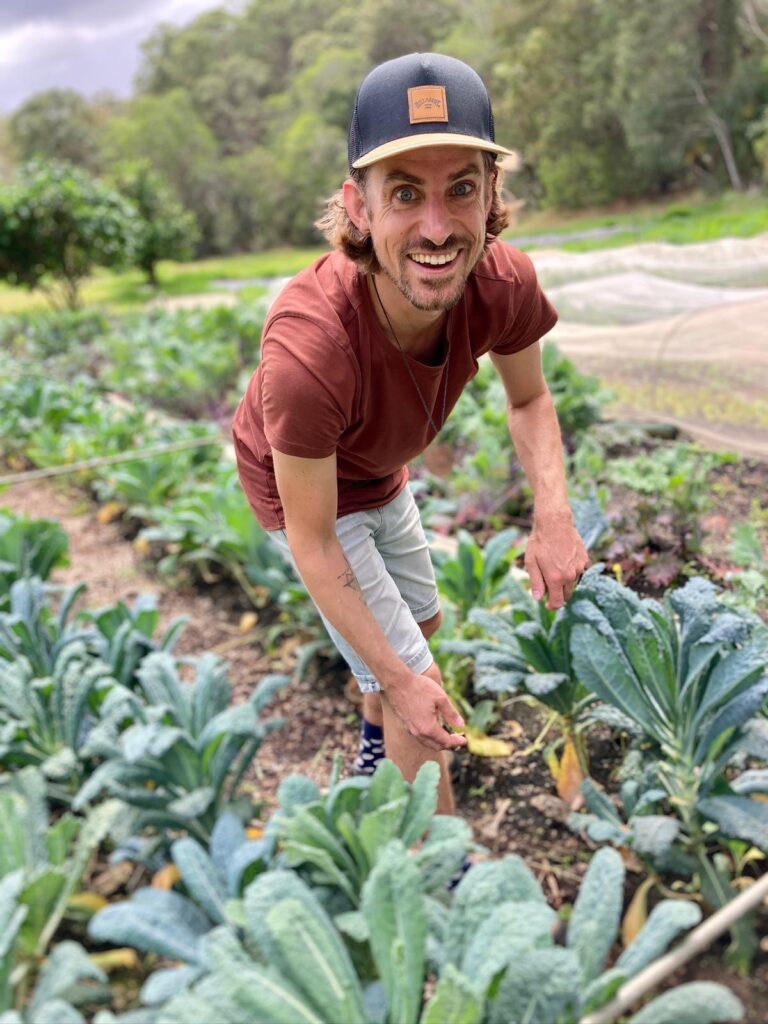
Before moving back to Australia, Jules worked in Amsterdam as a professor of Political Economy. While academia and farming might seem worlds apart, he highlights clear links between the two and explains how his background continues to shape the way he thinks about agriculture. In many ways, Yelin Forest Farm can be seen as part of a collective effort to redefine what wealth means in our society and culture.
Rather than focusing on financial and resource extraction, as mainstream economics often does, Jules suggests that our greatest store of wealth lies in the soil, biodiversity, local food systems and community connections. Having WWOOFers come to participate and learn, while also offering their experiences and knowledge in return, are intangible forms of wealth in his opinion. Jules links this perspective to the idea that we should think globally and act locally, orienting our everyday actions with an awareness of the bigger picture.
When we live by these values, it becomes natural to support organic farming, permaculture, and stronger local food networks. While many of us are not able to change global politics directly, Jules believes we can still influence points of leverage all around us and act on them in meaningful ways. In this essence, Hosts and WWOOFers can use farming and learning as forms of agency in the current global climate that can otherwise feel overwhelming and uncontrollable.
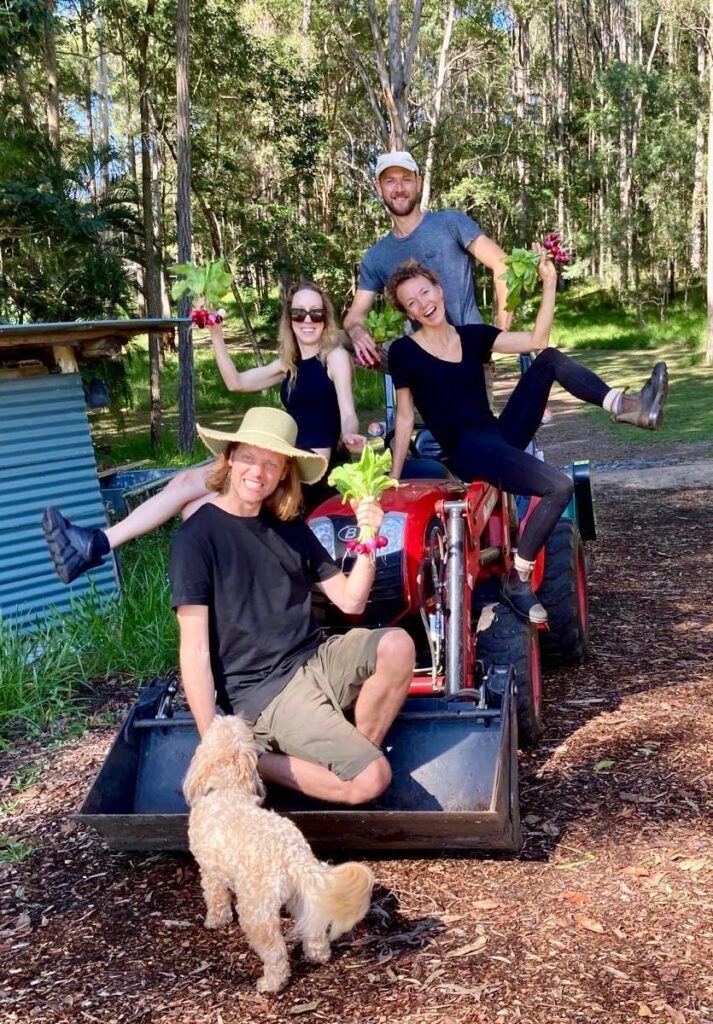
Photo’s Supplied by Yelin Forest Farm
Written by Skye Linsen, WWOOF Australia
