
Expiry Date:
October 27, 2026
First Joined WWOOF:
May, 2013
Membership Level: Host non-Certified Organic
Active 2 weeks, 2 days ago
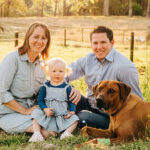
Jodi & Matthew Wyllie
‘Coolabah’ is a 16 acre Equestrian Centre with stables, 3 bedroom house, gardens & paddocks backing on to the Logan River. We have lots of native wildlife on the property including birds, kangaroos & possums.
We have recently joined a ‘Land for Wildlife’ program working with local government to regenerate the natural river ecosystem on our property.
Farm work includes mowing, whipper snipping, chainsawing tree branches, building fences & gardening. Horse work – cleaning stables & paddocks, filling stables with bedding, cleaning & filling horse troughs, oiling tack & feeding horses.
Accommodation for 2 within our home, or BYO. Shared meals, mixed diet. Vegetarians catered for. No children. No smoking on property. Initial stay 2 days, then negotiable. Prefer 2 week stays, however may accommodate longer depending on work available.
We have recently joined a ‘Land for Wildlife’ program working with local government to regenerate the natural river ecosystem on our property.
Farm work includes mowing, whipper snipping, chainsawing tree branches, building fences & gardening. Horse work – cleaning stables & paddocks, filling stables with bedding, cleaning & filling horse troughs, oiling tack & feeding horses.
Accommodation for 2 within our home, or BYO. Shared meals, mixed diet. Vegetarians catered for. No children. No smoking on property. Initial stay 2 days, then negotiable. Prefer 2 week stays, however may accommodate longer depending on work available.
No images found in gallery.
Why I became a WWOOF Host
We joined the Wwoof program because of the mutual benefits to both the host and the Wwoofer, sharing diverse cultures, achieving work tasks while facilitating unique rural experiences to enhance the Wwoofers’ travel adventures.
Organic/Biological methods we use
Hand-pulling or cut-and-paint methods.
Mulching heavily with horse manure, hay or green waste to suppress weeds and build soil.
Encouraging native groundcovers to outcompete weeds.
Composting stable bedding and manure for garden and paddock use (instead of burning or dumping).
Use of biological soil stimulants like worm juice.
Rotational resting of paddocks to prevent bare soil and erosion into the Logan River.
Companion planting around the house gardens for natural pest deterrence (e.g., marigolds, basil).
Planting local native trees, shrubs, and reeds to stabilise soil and provide habitat.
Use tree guards instead of chemical sprays around young trees.
Keep some fallen timber and leaf litter for invertebrates.
Leave strips of long grass and wildflowers for pollinators.
When fencing, allow “wildlife gaps” or install wildlife-friendly designs (e.g., plain wire rather than barbed on top/bottom).
Chainsawing fallen branches → cut for habitat piles instead of removing everything.
Mulching heavily with horse manure, hay or green waste to suppress weeds and build soil.
Encouraging native groundcovers to outcompete weeds.
Composting stable bedding and manure for garden and paddock use (instead of burning or dumping).
Use of biological soil stimulants like worm juice.
Rotational resting of paddocks to prevent bare soil and erosion into the Logan River.
Companion planting around the house gardens for natural pest deterrence (e.g., marigolds, basil).
Planting local native trees, shrubs, and reeds to stabilise soil and provide habitat.
Use tree guards instead of chemical sprays around young trees.
Keep some fallen timber and leaf litter for invertebrates.
Leave strips of long grass and wildflowers for pollinators.
When fencing, allow “wildlife gaps” or install wildlife-friendly designs (e.g., plain wire rather than barbed on top/bottom).
Chainsawing fallen branches → cut for habitat piles instead of removing everything.
Skills WWOOFers can learn here
Organic practices & techniques Regenerative Agriculture practices & techniques Gardening Composting Mulching Pruning Environmental recovery/regeneration work Animal care Poultry care Horse care Using & caring for tools Fencing Worm farming
Farm type
Small/Non-commercial farm
Farming methods
Regenerative Agriculture
