
Expiry Date:
September 24, 2026
First Joined WWOOF:
September, 2025
Membership Level: Host non-Certified Organic
Active 3 months, 1 week ago
Rocky Rise Farm
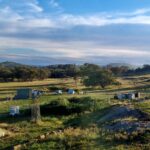
We are a 90 acre off grid property that produces goats for meat, alpacas for fleece and chickens for eggs using organic and regenerative principles of farming. Situated 20 kms south of Wagga Wagga, there are beautiful views all around. To get here from Sydney, Canberra or Melbourne, you can catch a train or bus to the Wagga Wagga Train and Bus Station and we will pick you up if you let us know in advance. Self drive guests are welcome. Wagga Wagga has an airport if you are flying in and pick up from the airport is available.
No images found in gallery.
Why I became a WWOOF Host
I’ve learnt so much since buying this farm and I’m passionate about sharing what I’ve learnt. I like to learn from others as well. I like to share my skills in small farms, regenerative practices and in spinning fleece grown on the farm.
Organic/Biological methods we use
We use rotational grazing based on the condition of the paddocks, with regular fertilising with worm castings to assist in pasture improvement. We work on organic principles as much as possible and don’t use synthetic fertilisers. We practice regenerative principles combining animal grazing, slashing, and fertilising to improve the soil.
Skills WWOOFers can learn here
Organic practices & techniques Regenerative Agriculture practices & techniques Gardening Composting Soil conservation Mulching Pruning Environmental recovery/regeneration work Animal care Poultry care Sheep/goats/cattle care Fencing
Farm type
Small/Non-commercial farm
Farming methods
Organic
Courses & Events
The goats kid in late winter/early spring and alpaca shearing occurs in late September/early October when we often need extra help. It is hard to set dates but usually in mid August on for the goats and early October for the alpaca shearing. Shearing only lasts a day but the fleeces all have to be prepared for carding and spinning.
Our busiest seasons are from March to May and from August to November. Most regenerative work on the paddocks and creeks are done in autumn and sometimes through winter when extra hands are helpful. Kidding is a busy time from mid August to mid September and is very rewarding. The work is not hard but is not always continuous 4 hours as the animals sometimes need care at different times of the day. Next year we will be building new pens for the goat kidding to help protect from raptor birds which have become a problem this year.
Learning about alpaca fleece preparation and spinning can happen at any time so if this is of interest, then dedicated times can be arranged if you would like to learn more. I have several spinning wheels to teach spinning skills. There is always plenty of fleece to practice on.
There is always egg collection every day and maintenance and improvement of the chook pen to create a healthy, happy environment for the chickens.
The kitchen garden grows seasonal vegetables, herbs and grapes and needs regular care with weeding and harvesting.
Our 10 fruit trees are pruned in autumn and harvested and processed between November and January.
A regular day on the farm would include egg collection, checking on the goats and alpacas, watering and weeding the garden. In April we might start fertilising and seeding the paddocks. In May, a day could include thinning trees and regenerating creeks. Fences need to be checked regularly and maintenance done. In July, the paddock for kidding is prepared checking that all the equipment is ready to go for August when the kids start arriving. When kidding, most other work is halted and all the attention goes to the goats ensuring their safety from raptor birds and foxes. Carding and spinning fleece can happen on a day when other work is not needed.
The summer is very hot and we do little other than the work needed. July and August can be quite cold and fencing work is the priority then if it hasn’t been finished by June. As the accommodation is a caravan, the temperatures in autumn and spring are the best for staying on the farm.
I can be flexible around dates if you want to do something in particular that interests you in what we offer.
Our busiest seasons are from March to May and from August to November. Most regenerative work on the paddocks and creeks are done in autumn and sometimes through winter when extra hands are helpful. Kidding is a busy time from mid August to mid September and is very rewarding. The work is not hard but is not always continuous 4 hours as the animals sometimes need care at different times of the day. Next year we will be building new pens for the goat kidding to help protect from raptor birds which have become a problem this year.
Learning about alpaca fleece preparation and spinning can happen at any time so if this is of interest, then dedicated times can be arranged if you would like to learn more. I have several spinning wheels to teach spinning skills. There is always plenty of fleece to practice on.
There is always egg collection every day and maintenance and improvement of the chook pen to create a healthy, happy environment for the chickens.
The kitchen garden grows seasonal vegetables, herbs and grapes and needs regular care with weeding and harvesting.
Our 10 fruit trees are pruned in autumn and harvested and processed between November and January.
A regular day on the farm would include egg collection, checking on the goats and alpacas, watering and weeding the garden. In April we might start fertilising and seeding the paddocks. In May, a day could include thinning trees and regenerating creeks. Fences need to be checked regularly and maintenance done. In July, the paddock for kidding is prepared checking that all the equipment is ready to go for August when the kids start arriving. When kidding, most other work is halted and all the attention goes to the goats ensuring their safety from raptor birds and foxes. Carding and spinning fleece can happen on a day when other work is not needed.
The summer is very hot and we do little other than the work needed. July and August can be quite cold and fencing work is the priority then if it hasn’t been finished by June. As the accommodation is a caravan, the temperatures in autumn and spring are the best for staying on the farm.
I can be flexible around dates if you want to do something in particular that interests you in what we offer.
