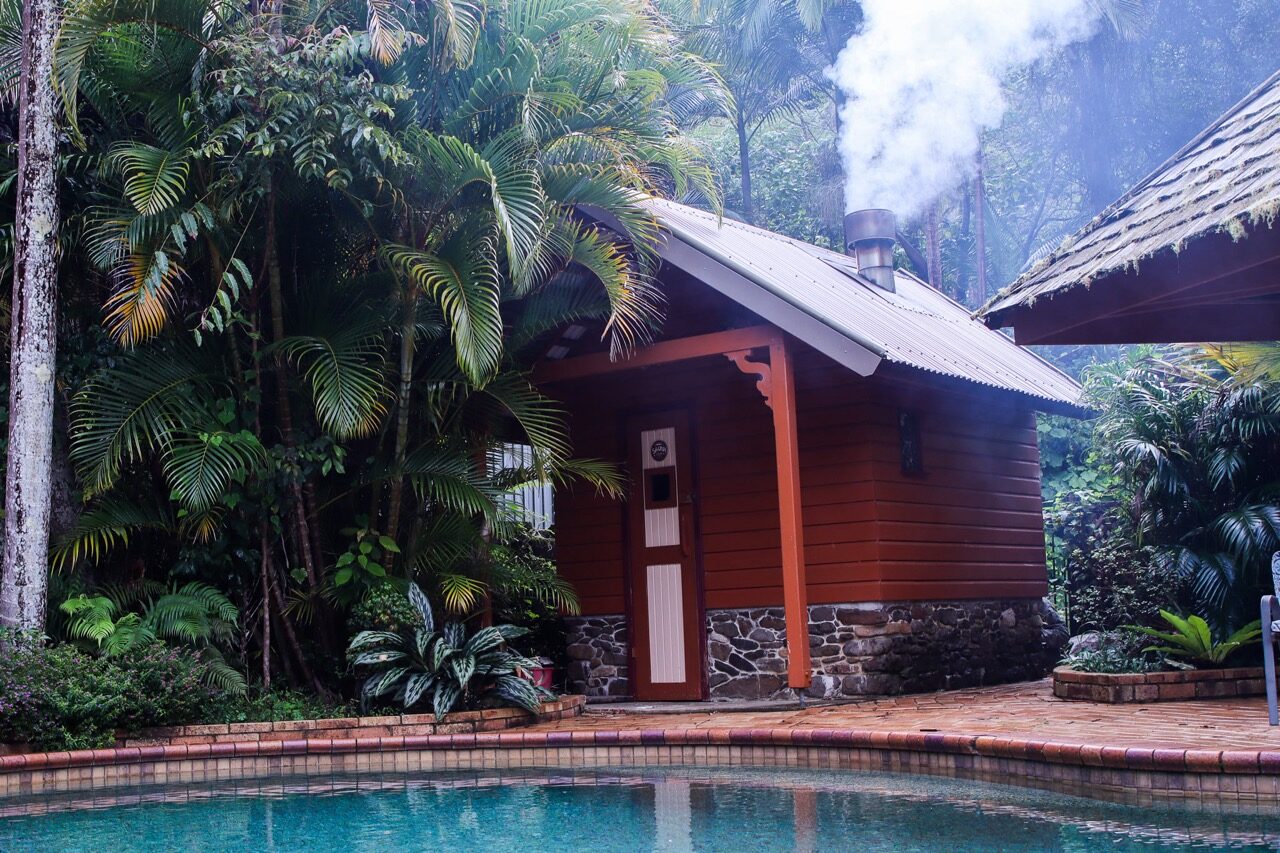
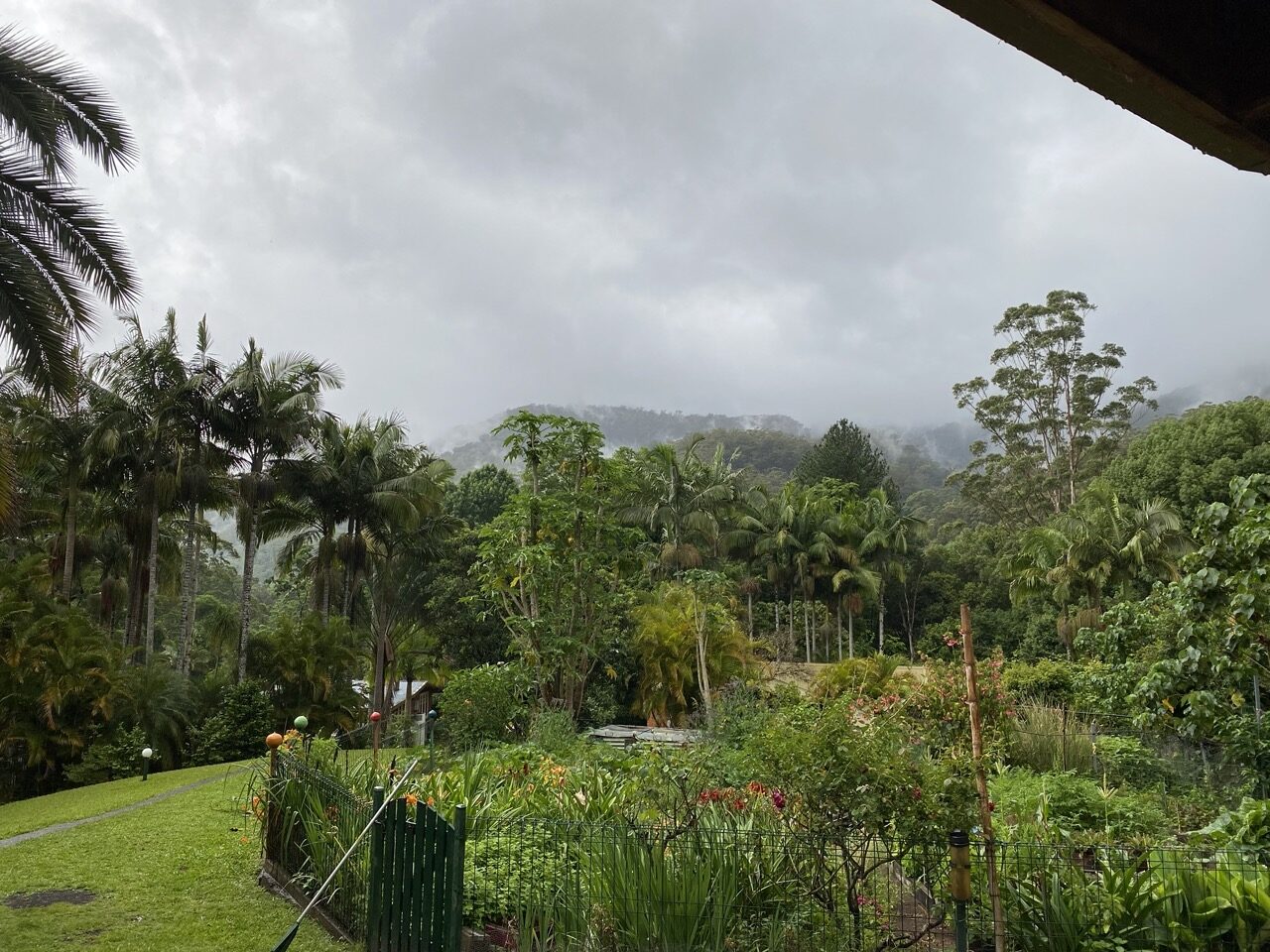
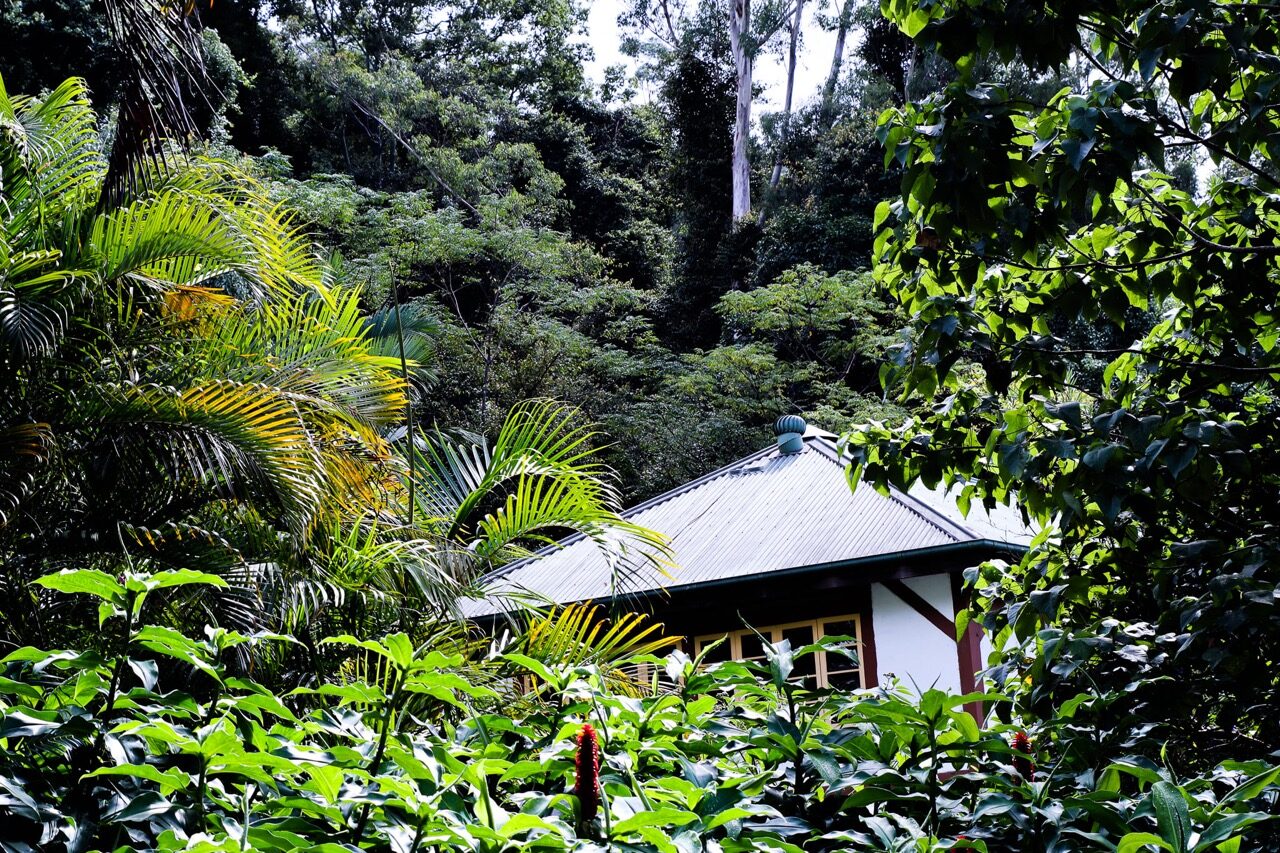
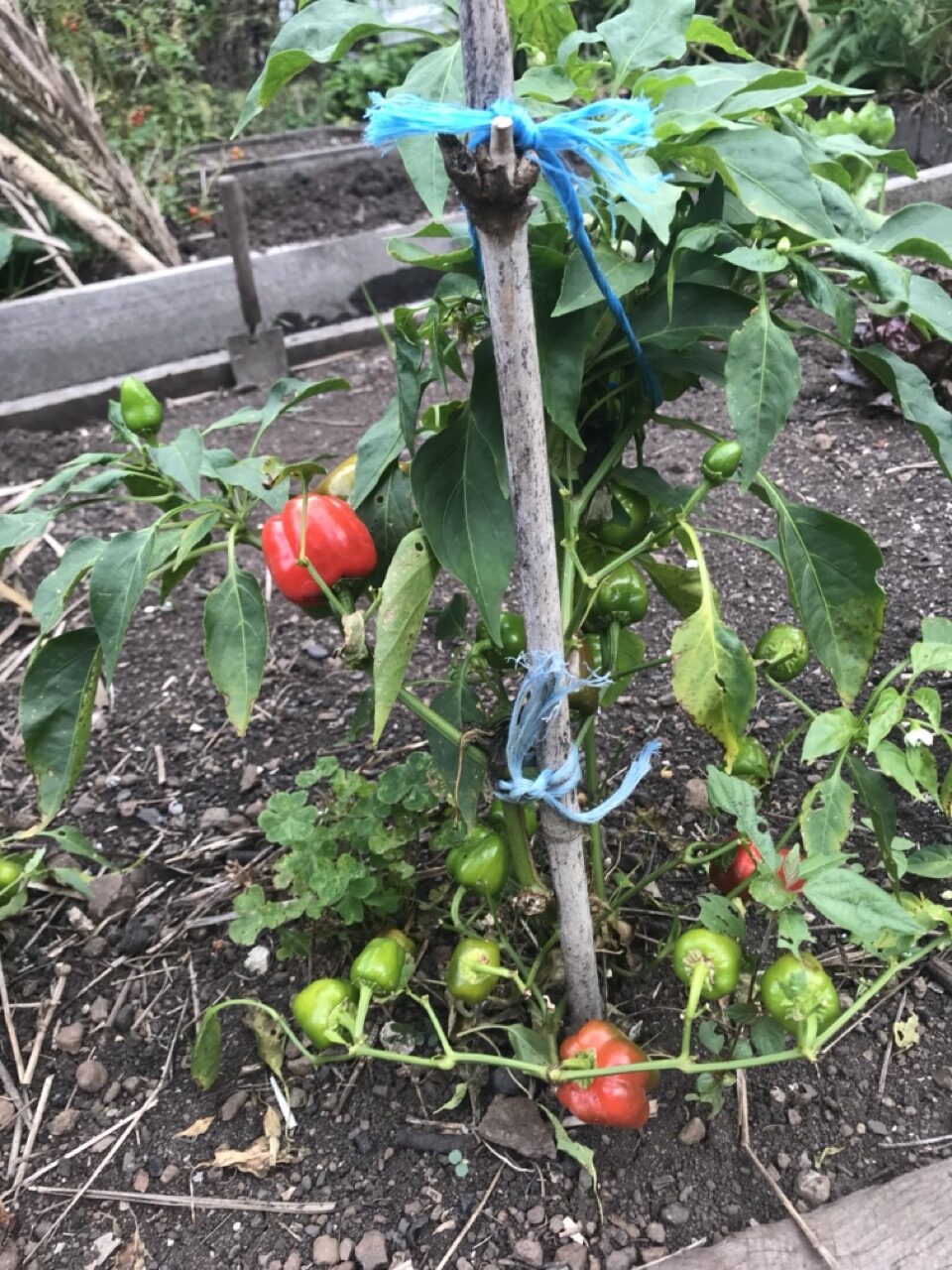
Our property includes a farm, temple, and guesthouse, rural property surrounded by scenic rainforest. The farm includes a variety of crops, such as fruits, vegetables, and herbs, as well as livestock such as geese, and chickens. The farming practices are spray-free and sustainable, using methods that are in harmony with nature. We are located in Nimbin, a small town located in New South Wales, Australia, known for its alternative way of being and rich spiritual community.
Our temple is a non-denominational spiritual gathering place that welcomes elements from all spiritual traditions. The temple is used for prayer, meditation, yoga, and other spiritual practices, as well as for larger community gatherings and celebrations including regular dances and other fun things.
The overall focus of the property is on spirituality, mindfulness, and connection with nature. I and the other residents of the property share a commitment to living a conscious, intentional lifestyle that prioritizes spiritual growth and environmental sustainability.
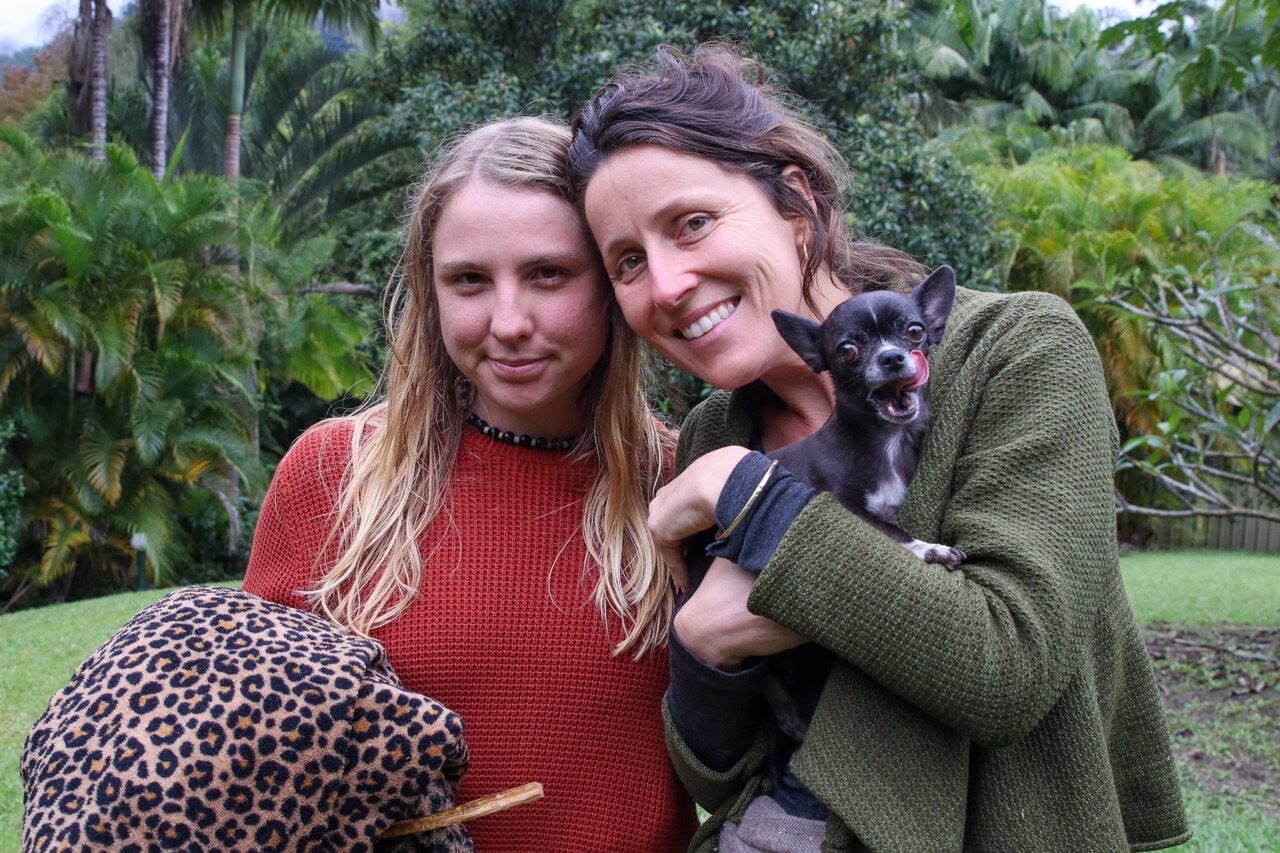
Hosting WWOOFers is a great way to connect with like-minded individuals who share my passion for sustainable living and spirituality. Our WWOOFers come from all over the world, so hosting them is a great way to learn about different cultures, share ideas, and build meaningful connections.
Organic/Biological methods we use
We use permaculture on our farm. Permaculture is a sustainable design system that focuses on creating ecosystems that are self-sustaining and regenerative. At its core, permaculture is based on three ethics: care for the earth, care for people, and fair share. These ethics guide the design of permaculture systems and ensure that they are environmentally responsible, socially just, and economically viable.
In practical terms, permaculture involves a range of design principles and techniques that are adapted to local conditions and resources. Some of the key principles of permaculture include:
1. Observation: Careful observation of natural systems is essential to understanding how they work and how they can be integrated into human systems.
2. Diversity: Creating diverse systems that include a variety of plants, animals, and microorganisms can help to create stable, resilient ecosystems.
3. Soil building: Healthy soil is the foundation of sustainable agriculture, and permaculture emphasizes techniques such as composting, mulching, and cover cropping to build and maintain healthy soil.
4. Water conservation and renewable energy use: Permaculture systems aim to conserve and make the most of resources by using techniques such as rainwater harvesting, swales, contouring as well as the use of renewable energy sources.
5. Zones and sectors: Permaculture systems are organized into zones and sectors to maximise efficiency and productivity.
Overall, our approach is one of permaculture with a holistic approach to sustainable design that aims to be in harmony with nature.